
Blaming the Weather Instead of the Grading
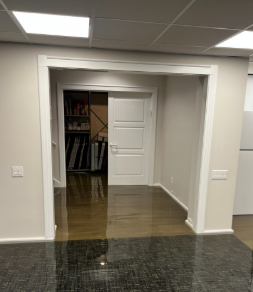
Most homeowners assume a flooded basement is simply the result of heavy rain overwhelming their home, as if the storm itself is the sole culprit. That explanation feels obvious after a downpour, but it skips over the actual mechanics of how water finds its way indoors. Rain is often the trigger, not the root cause, and treating it as the whole story leads people to repair the wrong thing repeatedly.
The more common issue sits right outside the foundation walls. Yards that slope toward the house, clogged gutters that dump water near the base of the structure, and downspouts that extend only a foot or two from the wall all funnel water exactly where it shouldn’t go. A sump pump can run constantly and still lose the battle if the soil around the house is directing gallons of water straight at the foundation with every storm. Fixing the symptom without addressing the grading or drainage pattern just means buying time before the next flood.
Cracks, Window Wells, and the Myth of a One-Time Fix
Another assumption is that a single visible crack or a leaky window well explains the entire problem, and once that’s patched, the basement will stay dry. In reality, foundations shift seasonally with soil moisture and temperature, so a crack sealed in July can reopen by January. Hydrostatic pressure from saturated soil pushes water through the smallest gaps, including ones that weren’t there the year before.
Older homes present a particular challenge because their foundations were often built before modern drainage standards existed. A home from the 1950s may have a footing drain that has partially collapsed or filled with sediment over decades, and no amount of interior caulking will compensate for that. The pressure has to go somewhere, and if the exterior drainage system has failed, it will keep finding new paths inward, often in different spots each season.
Treating Drainage Repairs and Insurance Questions as One Decision
Professionals who deal with recurring flooding tend to approach it as a chain of connected parts rather than one failure point. Gutters, downspout extensions, soil grading, exterior drains, and the sump pump all need to function together, and a weakness in any one of them puts pressure on the rest. Replacing a sump pump without checking the footing drain, for instance, often just delays the same flooding by a season or two. Once those drainage issues are mapped out, the next practical step is figuring out what repairs are worth doing immediately versus what can wait, and that decision often comes down to cost.
Regrading a yard or installing an exterior French drain can run into the thousands, and many homeowners start wondering does insurance cover water damage before committing to that kind of project. The answer depends heavily on the cause, since gradual seepage is typically treated differently than a sudden pipe burst or storm-related backup. Moisture that lingers after a flood creates its own set of problems beyond the immediate mess, since damp drywall, insulation, and framing can develop mold within 24 to 48 hours. The EPA mold and moisture remediation guide recommends drying affected materials quickly and monitoring humidity levels well after the visible water is gone, and that guidance matters just as much as fixing the leak itself, since a basement that floods once and dries slowly can end up with worse long-term damage than one that floods twice and dries fast.
It helps to document the flooding pattern before calling anyone, noting when it happens, how much water comes in, and whether it correlates with specific storms or thaw cycles. That record makes conversations with contractors and insurance adjusters more productive, since vague descriptions like ‘it floods sometimes’ rarely lead to accurate diagnoses. A contractor who inspects the exterior drainage alongside the interior damage is far more likely to recommend a fix that actually holds, rather than another temporary patch that fails next spring.


 By





 By